

Sump Pump Failures: Safe Handling and Removal of Water-Damaged Basement Clutter in Central NY
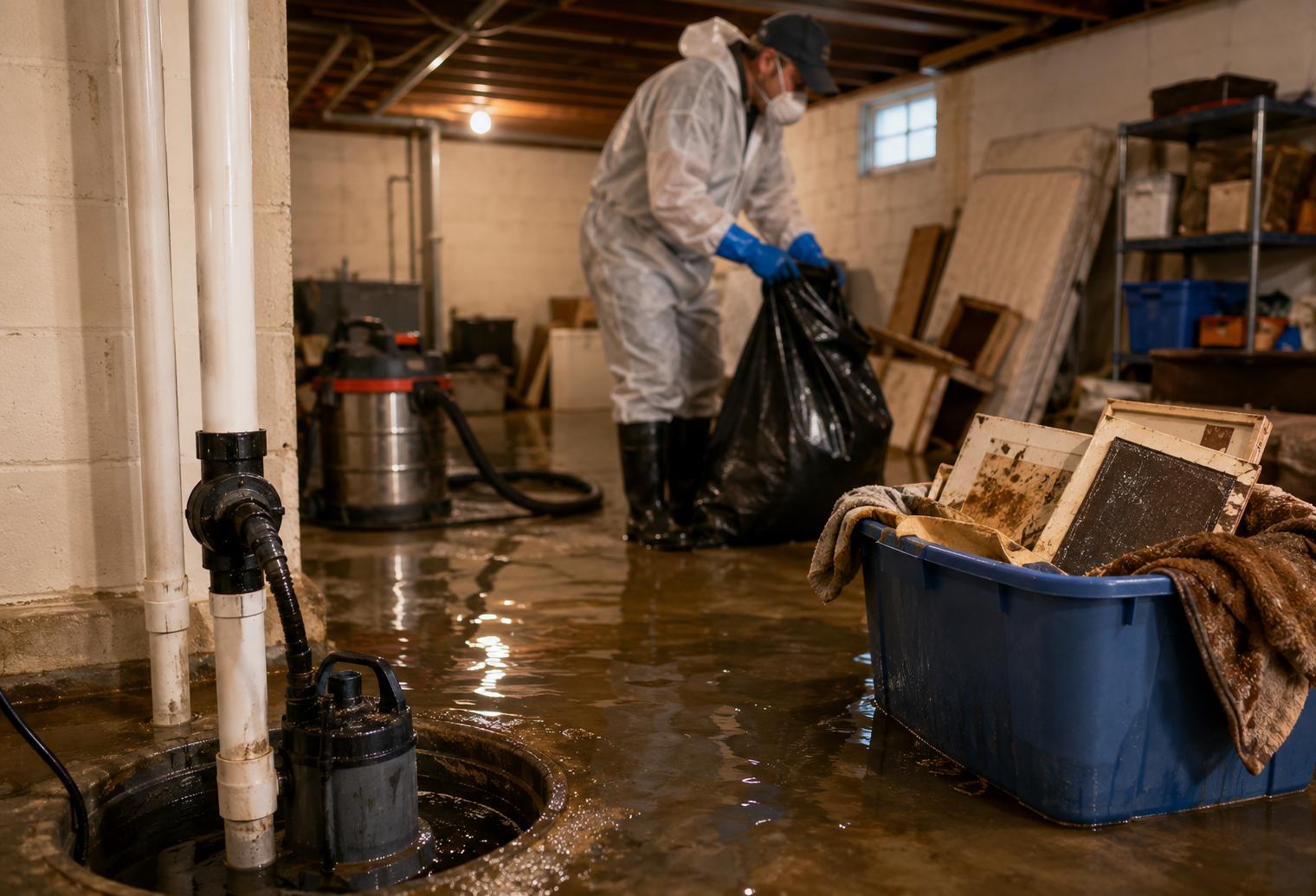
Heavy rain, spring snowmelt, and sudden storms can put sump pumps to the test across Central New York. When a sump pump fails, even for a few hours, basements can quickly fill with water, leaving homeowners in Port Byron and surrounding communities dealing with damaged belongings, lingering moisture, and potential health hazards.
Quick Answer
A sump pump failure can leave behind water-damaged furniture, boxes, carpeting, and household items that may become unsafe if left in place. Safe removal involves identifying salvageable belongings, separating contaminated materials, wearing proper protective equipment, and removing water-damaged clutter promptly to reduce the risk of mold growth and additional property damage. Professional clutter removal services can help make the cleanup process safer and more efficient.
What Local Readers Should Know
-
Sump pump failures are especially common during periods of heavy rainfall and spring thaw throughout Central New York.
-
Water-damaged cardboard, upholstery, and carpeting can begin developing mold in as little as 24 to 48 hours under the right conditions.
-
Older homes throughout Cayuga County and neighboring communities often have finished basements that store decades of household belongings.
-
Floodwater may contain contaminants, especially if groundwater mixes with sewer backups or surface runoff.
-
Removing damaged clutter quickly helps restoration contractors access affected areas for drying and repairs.
Why This Matters Locally
Safe handling of water-damaged basement clutter is especially important for homeowners in Port Byron because Central New York experiences seasonal weather patterns that place extra demands on sump pump systems. Spring snowmelt, extended rainy periods, and summer thunderstorms can all overwhelm drainage systems.
Communities such as Auburn, Weedsport, Elbridge, Jordan, Seneca Falls, and Montezuma share similar weather conditions and many homes feature basements used for storage. Older foundations throughout Cayuga County and neighboring Onondaga County may also experience groundwater intrusion during wet seasons, making fast cleanup essential after flooding.
At Expert Clutter Removal Service, we understand that removing damaged belongings is often one of the most stressful parts of recovering from a flooded basement. Our goal is to help homeowners clear affected spaces safely so restoration work can move forward.
Local Data and Field Observations
According to the National Weather Service, Central New York regularly experiences periods of heavy rainfall, spring runoff, and severe thunderstorms that increase the risk of basement flooding. Local emergency management agencies also encourage homeowners to maintain sump pumps before wet weather arrives.
From our field observations, many flooded basements contain stored household goods that have accumulated over many years. Cardboard boxes, fabric furniture, old clothing, paper records, and unfinished wood furniture are among the items most frequently damaged beyond recovery after a sump pump failure.
Local Impact
A flooded basement affects more than stored belongings. Homeowners often lose valuable storage space, delay renovation projects, and face increased restoration costs if damaged materials remain inside too long.
Water-damaged clutter also makes it difficult for drying equipment to reach walls and flooring. Removing saturated items quickly gives restoration professionals better access to inspect structural damage and begin moisture mitigation.
Warning Signs After a Sump Pump Failure
Recognizing problems early can help reduce long-term damage.
-
Standing water remains on the basement floor.
-
Cardboard boxes are soft, swollen, or collapsing.
-
Upholstered furniture feels saturated or develops odors.
-
Carpeting remains wet after water is removed.
-
Visible mold begins appearing on stored belongings.
-
Musty odors become stronger over several days.
-
Wooden furniture begins swelling or warping.
-
Stored electronics or appliances have been exposed to water.
When to Call a Professional
Professional help is recommended whenever floodwater has damaged large amounts of stored property or when contamination may be present.
Homeowners can safely remove small amounts of clean water and inspect belongings if conditions are safe. However, professional assistance becomes important when:
-
Heavy furniture must be removed.
-
Mold is already visible.
-
Water has remained for more than a day.
-
Floodwater may contain sewage or contaminants.
-
Large quantities of debris need disposal.
-
Restoration contractors need the area cleared quickly.
Common Local Causes of Sump Pump Failures
1. Power Outages During Storms
Thunderstorms across Central New York frequently interrupt electrical service right when sump pumps are needed most.
2. Heavy Groundwater
Extended rain and snowmelt can produce more groundwater than some older sump pump systems can handle.
3. Mechanical Failure
Motors eventually wear out, especially in pumps that operate frequently throughout wet seasons.
4. Float Switch Problems
Debris or improper positioning can prevent the float from activating the pump.
5. Lack of Maintenance
Many homeowners do not discover sump pump problems until flooding has already occurred.
Prevention and Maintenance
Preventing basement flooding starts with routine inspections.
Helpful maintenance includes:
-
Test the sump pump before spring rains.
-
Clean the sump pit regularly.
-
Inspect discharge lines for blockages.
-
Install a battery backup system if appropriate.
-
Keep valuable belongings stored on shelving instead of directly on the basement floor.
-
Avoid storing important documents in cardboard boxes where moisture is common.
While homeowners can perform basic maintenance, electrical repairs and pump replacement should be handled by qualified professionals.
Expected Results
Prompt removal of water-damaged clutter helps speed the overall recovery process.
After damaged belongings have been removed, restoration professionals can:
-
Dry the basement more effectively.
-
Inspect walls and flooring.
-
Evaluate structural damage.
-
Reduce hidden moisture.
-
Begin rebuilding sooner if repairs are needed.
Although every flooding event is different, early cleanup generally leads to faster restoration.
Common Mistakes
Waiting Too Long
Consequence: Mold and odors become more difficult to eliminate.
Better Approach: Begin removing damaged clutter as soon as conditions are safe.
Saving Unsalvageable Items
Consequence: Wet materials continue trapping moisture inside the basement.
Better Approach: Separate salvageable items from materials that cannot be restored.
Ignoring Safety Equipment
Consequence: Exposure to contaminated water, mold, and sharp debris.
Better Approach: Wear gloves, waterproof boots, and appropriate protective equipment.
Blocking Restoration Work
Consequence: Drying equipment cannot reach affected surfaces.
Better Approach: Remove damaged belongings promptly to improve access.
Common Local Scenario
A homeowner in the Port Byron area returns from a weekend away after several days of heavy rain. A failed sump pump has left several inches of water throughout the basement. Stored holiday decorations, old furniture, family keepsakes, and dozens of cardboard boxes are soaked. Before drying equipment can be installed, the damaged clutter must be sorted, removed, and disposed of safely so restoration can begin.
Related Service Solutions
Water-damaged basement cleanup often involves more than simply hauling away trash.
Related services may include:
-
Basement clutter removal
-
Furniture removal
-
Estate cleanouts
-
Garage and storage cleanouts
-
Bulk junk removal
-
Construction debris removal following restoration work
Comparing Your Options
| Option | Advantages | Limitations |
|---|---|---|
| DIY Removal | Lower immediate cost for small cleanups | Time consuming, physically demanding, and may involve safety risks |
| Professional Clutter Removal | Faster cleanup, safe handling of heavy items, efficient disposal | Service cost varies depending on volume |
| Delaying Cleanup | No immediate effort required | Higher risk of mold growth, odors, and additional damage |
Service Areas
We proudly assist homeowners in Port Byron along with nearby communities including Auburn, Weedsport, Seneca Falls, Jordan, Elbridge, and surrounding areas throughout Cayuga County and Central New York.
Cost of Ignoring the Issue
Waiting to remove water-damaged clutter often leads to higher restoration costs. Wet furniture, carpeting, drywall, and stored belongings continue retaining moisture, increasing the chance of mold growth and making the cleanup process more complicated. Acting quickly can help limit additional property damage and improve the efficiency of restoration efforts.
Frequently Asked Questions
How quickly should water-damaged basement clutter be removed in Port Byron?
The safest approach is to begin removing damaged materials as soon as conditions are safe. Prompt cleanup helps reduce moisture, limits mold growth, and allows restoration work to begin sooner.
Can flood-damaged furniture be saved?
Some furniture can be restored if exposed only to clean water for a short period. Upholstered and particleboard furniture is often difficult to salvage after prolonged saturation.
Is basement floodwater always contaminated in Central New York?
Not always. Clean groundwater differs from sewer backup or stormwater contamination. If the water source is uncertain, it is safest to treat affected materials with caution and use appropriate protective equipment.
What items should never remain in a flooded basement?
Water-soaked cardboard, wet carpeting, saturated insulation, moldy furniture, and heavily damaged fabrics should generally be removed promptly to reduce moisture and health risks.
Why are sump pump failures common during spring in Cayuga County?
Spring snowmelt combined with seasonal rainfall increases groundwater levels, placing additional demand on sump pump systems throughout the region.
Should I remove clutter before restoration contractors arrive?
Yes. Removing damaged belongings provides restoration crews with better access to affected flooring, walls, and structural areas, helping them begin drying and repairs more efficiently.
Can mold begin growing after a sump pump failure?
Yes. Mold may begin developing within 24 to 48 hours when moisture remains trapped in porous materials under favorable conditions.
Do you provide clutter removal throughout Central New York?
We assist homeowners in Port Byron and surrounding Central New York communities by removing water-damaged clutter and preparing spaces for restoration work.
Closing
Recovering from a sump pump failure can feel overwhelming, especially when years of stored belongings have been damaged. Removing water-damaged clutter safely and quickly helps reduce additional property damage while creating a cleaner, safer space for restoration. Local homeowners throughout Central New York benefit from acting promptly after basement flooding to protect both their property and their health.
Clear Your Flood-Damaged Basement with Confidence
We’re here to help make the cleanup process safer, faster, and less stressful after a sump pump failure.