
Fast-Track Landlord Cleanouts: Removing Tenant Debris & Trash Out of Shared Rental Basements
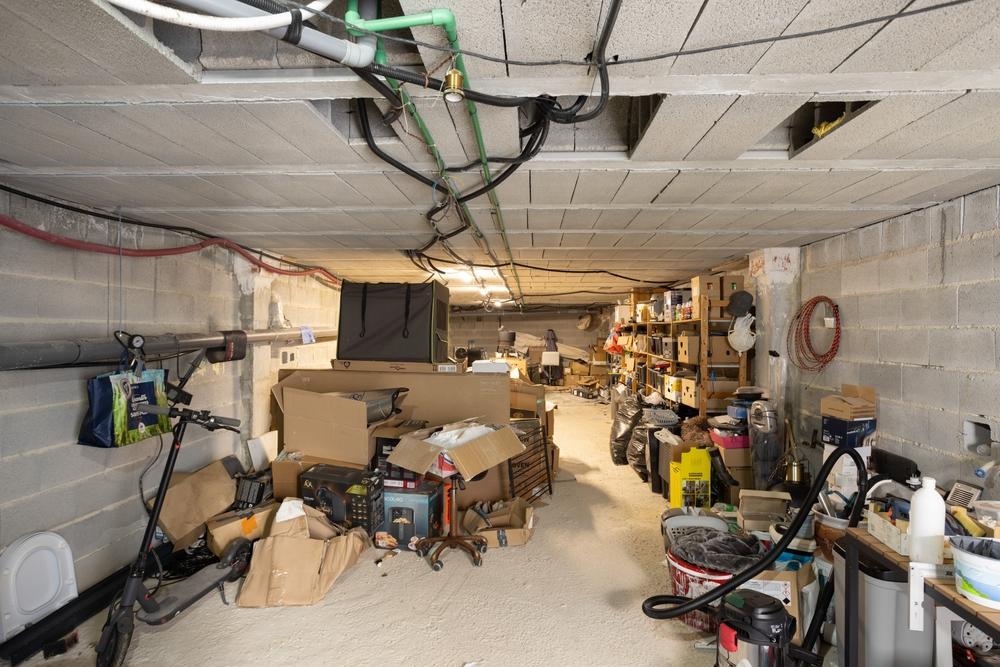
Shared rental basements can become a major cleanup problem when former tenants leave behind furniture, bagged trash, broken household items, boxes, and unidentified belongings. For landlords in Newark, NY, the challenge is not simply getting everything outside. The basement may still be used by current tenants, and narrow stairs, limited access, utilities, and mixed ownership of stored items can make the cleanout more complicated.
Quick answer: A fast-track landlord basement cleanout involves identifying what can be removed, separating tenant belongings that should remain, creating a safe path through shared areas, and hauling approved debris out without unnecessarily disrupting the property. Landlords should also consider lease obligations and applicable New York requirements before disposing of property that may still belong to a tenant.
What Newark landlords should know
-
Shared basements require extra care because current tenants may still have belongings, laundry areas, storage spaces, or access routes downstairs.
-
Older rental properties in Newark and surrounding Wayne County communities may have tight basement stairs, low clearances, or limited exterior access that slows removal.
-
Unidentified belongings should not automatically be treated as trash, especially when multiple tenants use the same basement.
-
Large cleanouts are easier to control when debris is sorted before hauling begins rather than piled indiscriminately near an entrance.
-
Landlords should address basement debris promptly when it blocks access to utilities, stairs, exits, or areas needed by current occupants.
Why Do Shared Rental Basement Cleanouts Require Extra Planning?
Shared rental basement cleanouts require extra planning because trash, abandoned-looking items, active tenant storage, building equipment, and common-use areas can all occupy the same space. Before removal begins, landlords need a clear understanding of what is being discarded and what must stay so a fast cleanup does not create a new tenant or property-management problem.
This is particularly relevant around Newark, where landlords may manage older houses converted into rentals, duplexes, multifamily properties, and buildings with traditional below-grade basements. Access can involve steep interior stairs or narrow doorways that make bulky furniture difficult to remove.
Landlords also need to think beyond visible clutter. A basement may contain electrical panels, plumbing shutoffs, heating equipment, laundry connections, or other building systems that should remain accessible.
Expert Clutter Removal Service helps property owners address unwanted clutter and debris. After the landlord has determined what is authorized for removal, we can focus on the physical cleanout and hauling process.
What Do We Observe During Local Basement Cleanouts?
Our field approach to basement cleanouts focuses on access, item separation, removal difficulty, and the condition of the path used to carry debris out of the property. These are professional cleanup considerations rather than published statistics, and the exact challenges vary significantly from one Newark rental property to another.
Basements can turn into collection points because tenants have more room to put something aside downstairs than they do inside an apartment. A few boxes or unwanted chairs can gradually become a larger accumulation.
For landlords, the problem often becomes apparent during turnover, an inspection, maintenance work, or preparation for a new tenant. By that point, sorting and hauling may require substantially more effort than taking out ordinary household trash.
How Can Basement Debris Affect a Newark Rental Property?
Basement debris can affect a Newark rental by restricting usable space, complicating maintenance access, creating trip hazards, and making turnover work harder to coordinate. The impact becomes more significant when the basement is shared because current occupants, maintenance workers, and the landlord may all need to use the same limited pathways.
A blocked route to mechanical equipment can also make routine property work more difficult. Loose debris on stairs creates another concern when people need to carry laundry, tools, supplies, or additional discarded items through the space.
During a fast turnover, these obstacles can consume valuable time. Clearing authorized debris creates room for the landlord to assess what cleaning, maintenance, or repairs need attention next.
What Warning Signs Show That a Basement Needs a Cleanout?
A basement likely needs a cleanout when unwanted materials are beginning to interfere with access, organization, maintenance, or normal shared use. Newark landlords do not necessarily need to wait until a basement is completely packed before addressing accumulating debris.
Watch for:
-
Bags or boxes consistently narrowing basement walkways.
-
Furniture left behind after a known tenant move-out.
-
Broken household goods accumulating near stairs or doors.
-
Debris preventing convenient access to utilities or mechanical equipment.
-
Mixed piles where current tenant belongings and apparent trash are becoming difficult to distinguish.
-
Bulky items that cannot be safely carried upstairs by one person.
-
Common storage or laundry areas becoming unusable.
-
Turnover debris remaining after the apartment itself has been emptied.
When Should a Landlord Call a Professional Cleanout Service?
A landlord should consider professional cleanout help when the volume, weight, access conditions, or time required to remove authorized debris exceeds what routine property maintenance can reasonably handle. Professional hauling can be especially useful when a Newark basement contains bulky furniture, numerous bags or boxes, or debris that must travel through difficult stairways.
A landlord may be able to remove a few clearly identified trash bags or small disposable items. A larger accumulation is different. Carrying heavy objects upstairs introduces handling challenges, while repeated trips through occupied common areas can interfere with tenants.
Professional removal does not replace the landlord’s responsibility to determine whether an item can legally and properly be discarded. If ownership or disposal rights are uncertain, that question should be resolved before the item enters the removal pile.
What Commonly Causes Debris to Build Up in Shared Basements?
Shared basement debris commonly builds up through tenant turnover, limited storage oversight, unwanted furniture, unfinished move-outs, and gradual accumulation of household items. In Newark rental properties, the basement can easily become the default location for things occupants do not want upstairs but are not yet ready to discard.
Common causes include:
-
Tenant turnover: Items may remain downstairs after an apartment has been vacated.
-
Shared storage: Multiple occupants can make it difficult to determine who owns individual boxes or household goods.
-
Bulky furniture: Heavy items may be moved downstairs but prove much harder to bring back out.
-
Deferred cleanup: A small pile can expand across several tenant turnovers.
-
Property work: Packaging, damaged materials, or discarded contents from maintenance activities can become mixed with household clutter.
Properties in nearby communities such as Lyons, Palmyra, and Clifton Springs can face many of the same practical basement-access issues.
How Can Landlords Prevent Basement Clutter From Becoming a Major Cleanout?
Landlords can reduce basement clutter by clearly defining storage areas, checking common spaces periodically, addressing known move-out debris promptly, and keeping access routes visible. A simple routine is particularly useful in shared Newark basements because it makes new accumulations easier to identify before they become large removal projects.
Before a tenant turnover, inspect permitted basement storage along with the rental unit when appropriate. Determine which items belong to the departing occupant and which belong to remaining tenants.
Seasonal property checks can also be useful. Before winter, landlords may want clear access around building systems that could require attention during cold weather. Routine organization also makes it easier to spot water intrusion, damaged belongings, or maintenance issues instead of having them hidden behind clutter.
DIY cleanup should stop when an item is too heavy or awkward to handle safely, when the contents are unknown or potentially hazardous, or when there is uncertainty about whether the landlord has authority to dispose of it.
What Results Should Landlords Expect From a Professional Cleanout?
A professional cleanout should leave the authorized removal area substantially clearer and make the basement easier for the landlord to inspect, access, and manage. Results depend on what has been approved for removal, the amount and type of material present, and whether active tenant belongings must remain in the space.
A cleanout is not the same as repairing the basement. Removing clutter can expose conditions that were previously hidden, including areas requiring cleaning, maintenance, or repair.
For a landlord preparing a Newark rental for its next occupant, that visibility can be valuable because follow-up work can be evaluated after the unwanted contents are gone.
What Mistakes Should Newark Landlords Avoid During a Tenant-Debris Cleanout?
Newark landlords should avoid treating every basement item as abandoned trash, mixing current tenant property into the removal pile, and starting a large cleanout without first considering access. A fast cleanout works best when authorization, sorting, and the removal route are established before hauling starts.
Mistake: Assuming unidentified items are disposable.
Consequence: Property belonging to another tenant could be removed unintentionally.
Better approach: Establish ownership and disposal authority before removal.
Mistake: Blocking the basement stairs with staged debris.
Consequence: Carrying additional items becomes harder and the route becomes cluttered.
Better approach: Maintain a clear removal path.
Mistake: Trying to move oversized items without a plan.
Consequence: Furniture can become stuck in stairways or door openings.
Better approach: Evaluate dimensions, weight, and access first.
Mistake: Waiting through multiple turnovers.
Consequence: Separate piles can become increasingly difficult to identify and organize.
Better approach: Address authorized move-out debris promptly.
What Does a Common Newark Landlord Cleanout Scenario Look Like?
A common Newark landlord cleanout scenario involves a recently vacated unit whose former occupant also left unwanted-looking belongings in a basement shared with remaining tenants. This is an illustrative local scenario, not a specific Expert Clutter Removal Service customer case study.
The landlord first needs to distinguish the former tenant’s authorized removal items from belongings associated with current residents. Once that question is resolved, the removal area can be clearly identified.
Bulky items and loose debris can then be moved through the safest practical route while the remaining storage stays in place. After removal, the landlord has a clearer basement and can better evaluate cleaning or maintenance needs before completing the turnover.
Which Cleanout Services Can Help With Tenant Debris?
Landlord cleanout and clutter-removal services can help with the physical work of carrying and hauling approved unwanted items from basements and other rental-property areas. This can reduce the amount of hands-on hauling required from landlords and property managers when a turnover produces more debris than ordinary trash handling can accommodate.
We can focus on removing items the property owner has identified and authorized for disposal. For shared spaces, clear instructions about what stays and what goes are especially valuable.
Is DIY or Professional Basement Cleanout the Better Option?
DIY removal is generally most practical for small amounts of lightweight, clearly disposable material, while professional cleanout service becomes more useful as volume, weight, access difficulty, and time pressure increase. Newark landlords should base the decision on the actual basement rather than simply counting the number of items.
| Option | Often Best For | Main Consideration |
|---|---|---|
| DIY cleanup | A few lightweight, clearly disposable items | Requires landlord time and handling |
| Professional cleanout | Bulky items or larger debris volumes | Removal must be clearly authorized |
| Phased cleanup | Mixed storage requiring careful sorting | Takes longer but can simplify identification |
| Turnover cleanout | Time-sensitive vacant-unit debris | Planning should occur before other turnover work |
The quickest option is not necessarily the one that starts hauling first. Sorting and defining the removal scope can make the actual hauling stage much more efficient.
Where Do We Serve Around Newark?
Our local service focus includes Newark and surrounding communities where property owners may need help clearing unwanted clutter and rental debris. Nearby Wayne County and regional communities include Lyons and Palmyra, with Clifton Springs located nearby in Ontario County.
Exact service availability for a particular address should be confirmed when scheduling.
What Can Happen If Basement Debris Is Left in Place?
Leaving basement debris in place can reduce usable space, obstruct access, complicate future tenant turnovers, and allow one cleanup project to grow into a larger one. For local landlords, waiting can also make it increasingly difficult to determine which belongings came from which tenant.
The goal is not to create unnecessary urgency. A few organized storage items are different from accumulating trash and abandoned contents. The practical concern begins when unwanted material interferes with property access, maintenance, shared use, or upcoming turnover work.
Frequently Asked Questions About Landlord Basement Cleanouts
How quickly can a rental basement be cleaned out in Newark, NY?
The cleanup time depends on debris volume, basement access, item size, and whether everything has already been identified for removal. A clearly sorted basement can be simpler to address than a shared area where ownership still needs to be determined.
Can a Newark landlord throw away belongings a tenant leaves in the basement?
A landlord should confirm the applicable legal and lease requirements before disposing of property that may belong to a tenant. The physical appearance of an item does not necessarily establish that it is legally abandoned. When ownership or disposal authority is uncertain, landlords should obtain appropriate guidance before authorizing removal.
Can you remove debris while other tenants still use the basement?
A shared basement may be cleaned out while other occupants still use it when the removal scope and access can be managed appropriately. Current tenant belongings should be clearly separated from authorized debris, and common routes should remain as controlled as practical during removal.
Why are older Newark rental basements difficult to clean out?
Older rental basements can be difficult to clean out because stairs, doorways, ceilings, and exterior access may restrict how bulky objects are moved. The exact conditions vary by building, so large furniture and heavy debris should be evaluated against the actual removal route before work begins.
Do Wayne County landlords need to sort everything before calling?
Landlords do not necessarily need to physically move every item before seeking cleanout help, but they should know what is authorized for disposal. In a shared basement, identifying what stays and what goes is particularly important because belongings from several occupants may be stored close together.
What kinds of basement debris are commonly left after tenant turnover?
Common turnover debris can include furniture, boxes, bagged household trash, damaged household goods, and miscellaneous stored belongings. Contents differ from property to property, and unknown materials should be evaluated before handling rather than automatically added to a general removal pile.
Should basement cleanout happen before repairs to a Newark rental?
Cleanout often makes sense before repairs when debris is obstructing the areas contractors or landlords need to inspect and access. Removing authorized clutter can reveal floors, walls, utilities, and other areas that need attention. The correct sequence depends on the property’s condition and the work being planned.
Can landlords in Palmyra or Lyons use the same cleanout approach?
The same basic planning principles apply to rental properties in Palmyra, Lyons, and the surrounding region. Identify authorized debris, protect belongings that remain, evaluate the removal route, and decide whether the volume or weight makes professional assistance worthwhile. Service availability at a specific property should be confirmed directly.
Clear the Basement and Keep Your Rental Turnover Moving
A well-planned basement cleanout gives local landlords a clearer, more manageable space without treating a shared rental basement like an ordinary trash pile. Expert Clutter Removal Service can help with the physical removal of authorized clutter and debris so property owners can move on to the next stage of managing their Newark rental.
Get Your Newark Rental Basement Cleared
Get unwanted, authorized debris out of the way and make your rental property’s basement easier to access and manage.